
Steel structure warehouse
When planning for large-scale storage or industrial operations, one of the most common questions business owners ask is, “How long does a steel structure warehouse last?” Understanding the lifespan of a steel structure warehouse is essential for making informed decisions about long-term investments. Steel warehouses have become increasingly popular because they offer durability, flexibility, and cost-effectiveness that traditional buildings often cannot match. However, their longevity depends on various factors, including design, maintenance, environmental conditions, and usage, making it important to examine the details before investing.
A steel structure warehouse is primarily constructed using high-quality steel, which is known for its strength and resilience. Unlike conventional materials like wood or brick, steel does not rot, crack, or weaken over time due to natural decay. This inherent durability gives steel warehouses a distinct advantage in terms of lifespan. On average, a well-designed and properly maintained steel structure warehouse can last anywhere from 30 to 50 years, and in some cases, even longer. The key is ensuring that the structure is protected from environmental hazards and maintained consistently.
One factor that significantly impacts how long a steel structure warehouse lasts is the quality of the steel used in construction. High-grade, galvanized steel or weather-resistant alloys are often treated to withstand corrosion and rust, which are common concerns in areas with high humidity or frequent rainfall. Choosing premium steel and proper coatings during construction ensures that the warehouse maintains its structural integrity for decades. Businesses that invest in quality materials initially can avoid costly repairs and premature deterioration, thereby maximizing the warehouse’s lifespan.
Maintenance also plays a critical role in determining how long a steel structure warehouse lasts. Even though steel is a low-maintenance material compared to wood or concrete, regular inspections and preventive care are essential. For instance, cleaning debris from gutters, checking for signs of rust, and maintaining protective coatings can significantly prolong the building’s life. Regular maintenance schedules not only enhance durability but also improve safety for workers and stored goods. Neglecting routine upkeep, on the other hand, can accelerate wear and reduce the warehouse’s effective lifespan.
Environmental conditions are another major factor influencing how long a steel structure warehouse lasts. Steel is resistant to many natural forces, but extreme weather conditions such as hurricanes, heavy snowfall, or coastal salt exposure can cause damage over time. To mitigate these risks, steel warehouses are often designed with reinforced frames, corrosion-resistant coatings, and proper drainage systems. By taking environmental factors into account during the design and construction phase, businesses can significantly extend the operational life of their steel warehouse.
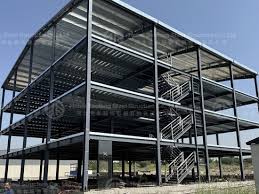
How long does a steel structure warehouse last?
The intended use of a steel structure warehouse also affects its longevity. Warehouses that handle heavy machinery, high-density storage, or frequent loading and unloading experience more wear and tear than those used for lighter goods. Engineers typically account for such operational demands by reinforcing critical areas and using steel of higher tensile strength. Ensuring that the warehouse is used within its design specifications is key to achieving maximum lifespan. Misuse or overloading can lead to structural fatigue, which may reduce how long the steel warehouse lasts.
Another aspect to consider is technological integration. Modern steel structure warehouses often incorporate climate control systems, automated storage solutions, and fire suppression mechanisms. While these additions do not directly change the steel’s durability, they contribute to protecting stored goods and reducing operational strain on the structure. For example, temperature and humidity control prevent condensation and corrosion, indirectly extending the life of the warehouse. Similarly, fire prevention systems minimize the risk of damage from accidents, further safeguarding the investment.
One of the most compelling reasons businesses ask, “How long does a steel structure warehouse last?” is cost-effectiveness. Although the initial construction cost of a steel warehouse may be higher than traditional buildings, the long-term benefits outweigh the upfront expenses. With proper design, quality materials, and consistent maintenance, a steel warehouse can serve businesses efficiently for multiple decades. The predictable lifespan allows companies to plan capital expenditures, reduce unexpected repair costs, and optimize operational efficiency over time.
In addition, steel structures are recyclable and sustainable, which adds another layer of long-term value. Even at the end of a steel warehouse’s functional life, the materials can be repurposed for new construction, reducing environmental impact. This sustainability factor contributes indirectly to the economic lifespan of a warehouse, making it a smart choice for companies that prioritize eco-friendly practices alongside durability.
In conclusion, understanding how long a steel structure warehouse lasts involves evaluating materials, construction quality, maintenance practices, environmental factors, and operational usage. A well-constructed steel warehouse, maintained properly and designed to suit its specific purpose, can last 30 to 50 years or even longer, making it an excellent long-term investment for logistics, manufacturing, or storage operations. Its durability, adaptability, and minimal maintenance needs provide businesses with peace of mind and operational efficiency, while sustainable features enhance its value in the long run. Choosing a steel structure warehouse is not just about immediate needs; it is a strategic decision that offers decades of reliable service, financial savings, and practical advantages for modern enterprises.